What should a strata cleaning contract include? A checklist for committees
A strata cleaning contract should list exactly which common areas are cleaned, how often, to what standard, and at what price, plus insurance, access, reporting and how changes and complaints are handled. A written scope lets the committee compare quotes and hold the cleaner to what was agreed.
Committees often compare strata cleaning quotes that cover different things, which makes the cheapest one look better than it is. A written scope fixes that. Use this checklist to build one, then ask each cleaner to quote against it.
1. Areas covered
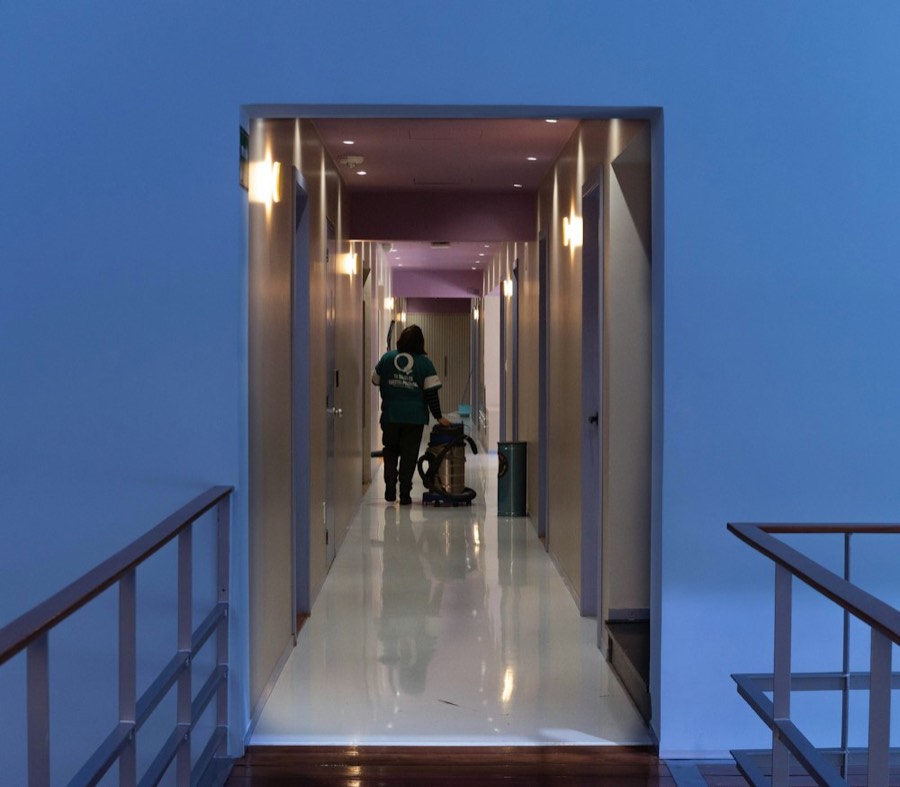
- Entry lobbies, corridors, stairwells and lifts
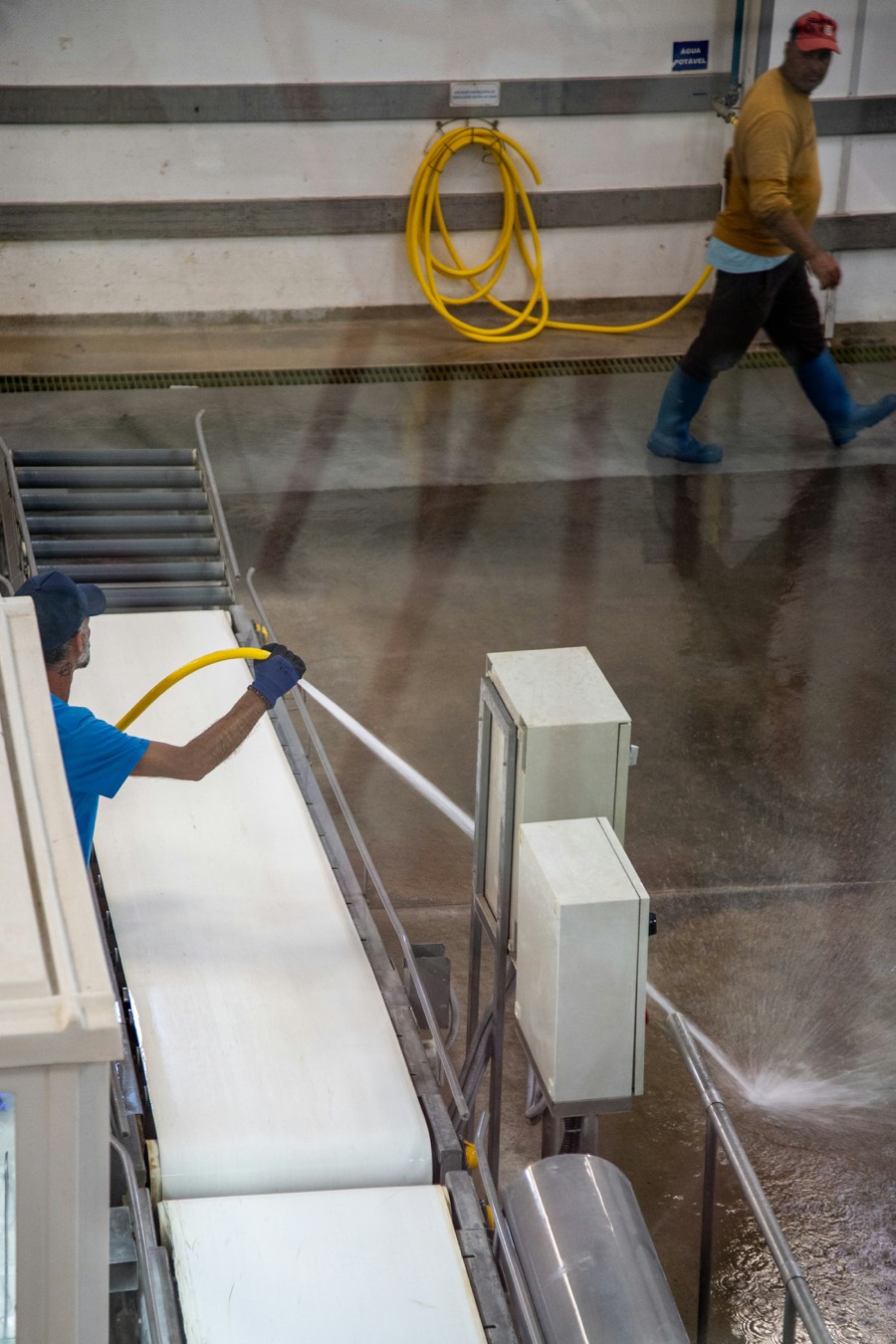
- Bin rooms and chutes
- Car parks and driveways
- Shared facilities such as gyms, pools and meeting rooms
- Windows and glass in common areas
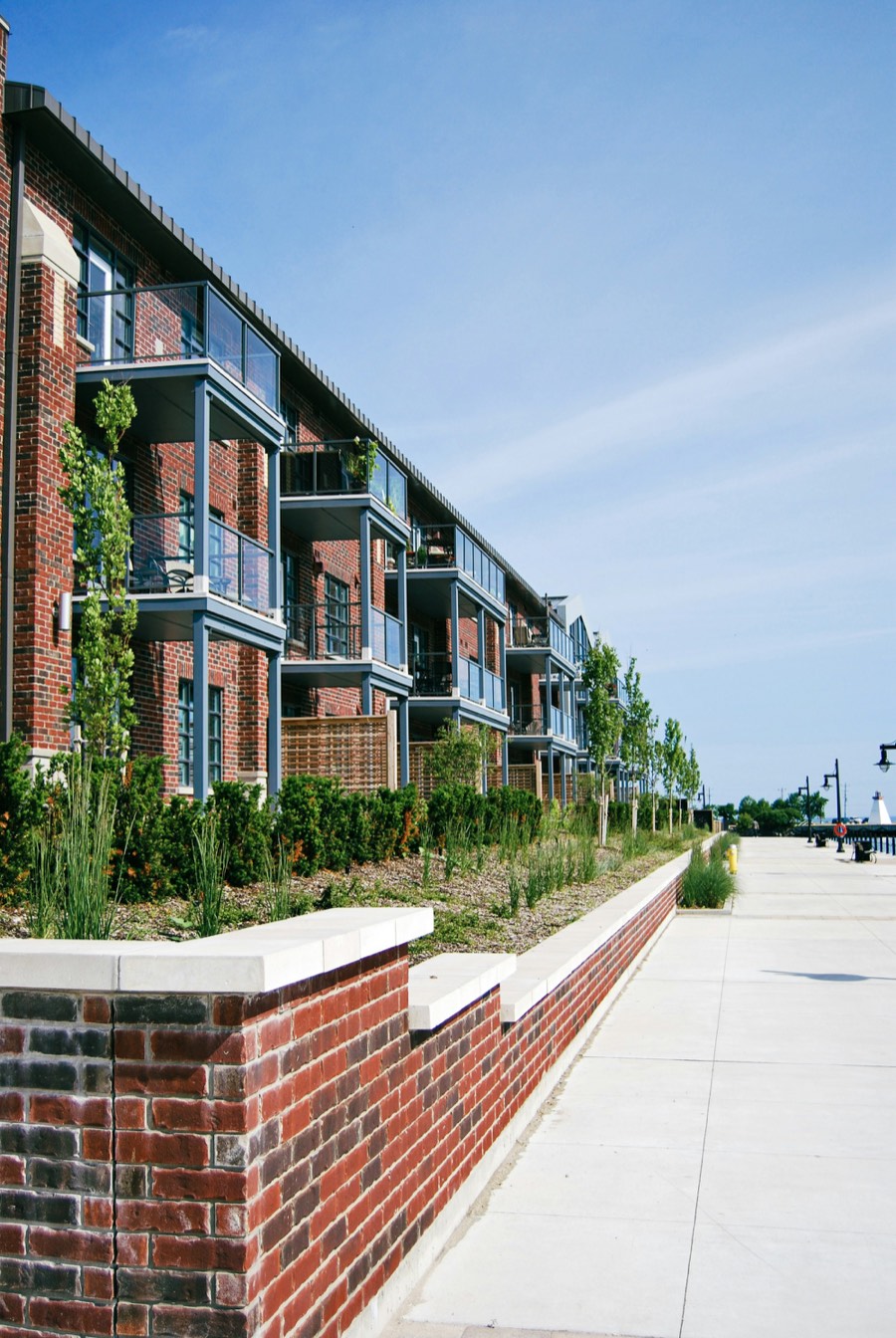
- External paths, balconies and façades
2. Frequency and times
For each area, state how often: daily, weekly, monthly or annually. Also state the hours, and whether any work is allowed to disturb residents.
3. Standard of work
Describe the result, not just the task: floors free of marks, glass free of streaks, bins emptied and wiped. A checklist the cleaner signs off after each visit makes this auditable.
4. Supplies and equipment
State who supplies cleaning products, bin liners and any consumables.
5. Access and security
Keys, fobs, alarm codes and lift access should be controlled and recorded, with a named contact for each side.
6. Insurance and safety
Ask for current public liability insurance and details of how the cleaner manages workplace health and safety, especially for ladders, wet floors and chemicals.
7. Reporting and review
Agree how problems are reported and fixed, how often the scope is reviewed, and how extra work such as a deep clean is quoted.
8. Price and term
A monthly price, itemised by area, plus how long the contract runs, how it can be ended and how price changes are handled. Check your own by-laws and your strata manager's requirements before signing.
Questions, answered
How often should strata common areas be cleaned?
It depends on the building. High-traffic lobbies and bin rooms are usually cleaned more often than stairwells or car parks. Set the frequency per area in the scope.
Should exterior cleaning be in the same contract?
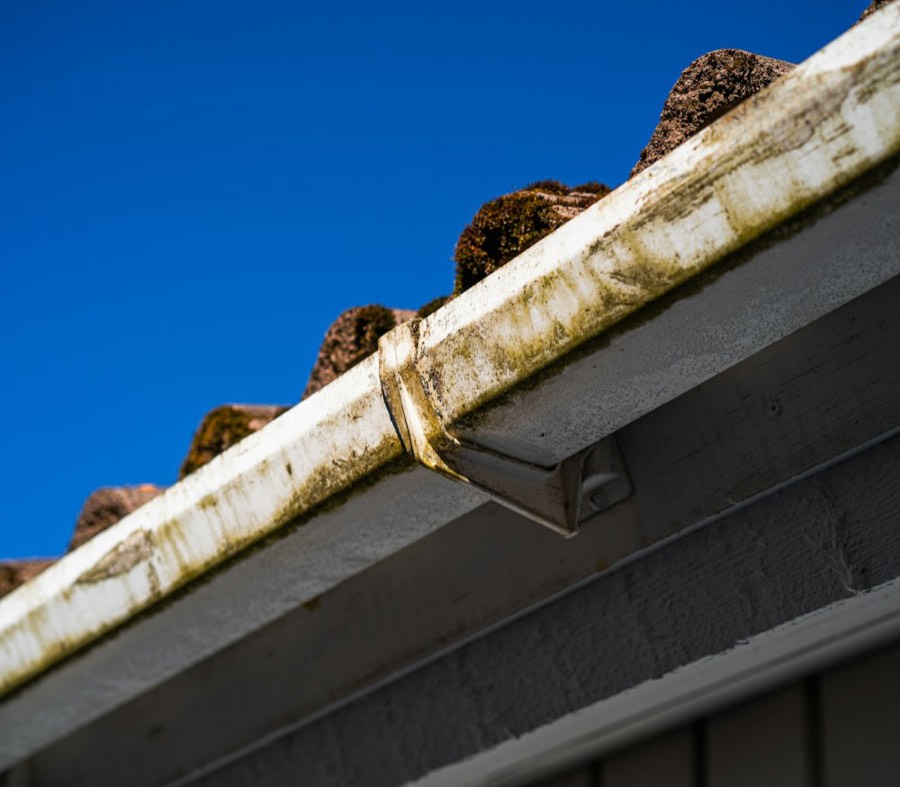
It can be. Windows, pressure cleaning and gutters are often scheduled annually or twice a year alongside the regular clean.
What insurance should a strata cleaner hold?
At least public liability insurance. Ask for a current certificate and keep it on file.
Need strata & body corporate?
Get a clear, itemised quote, usually within one business day.