Softwash vs. pressure wash: what's best for your property?
"Pressure washing" has become the catch-all term for exterior cleaning, but it's not always the right tool for the job. Some surfaces need the raw force of high pressure to shift stubborn dirt; others need a gentler chemical treatment that lifts organic growth without damaging the material underneath. Using the wrong one can waste money, or damage a surface that then costs more to fix.
What pressure washing actually does
Pressure washing uses high-pressure water alone, with no chemicals, to physically blast dirt, grime and loose material off a hard surface. It's fast, effective, and ideal for surfaces that can handle the force.
- Concrete driveways and paths
- Pavers and exposed aggregate
- Hardstand and industrial flooring
- Brick and masonry (at the right pressure)
What softwashing actually does
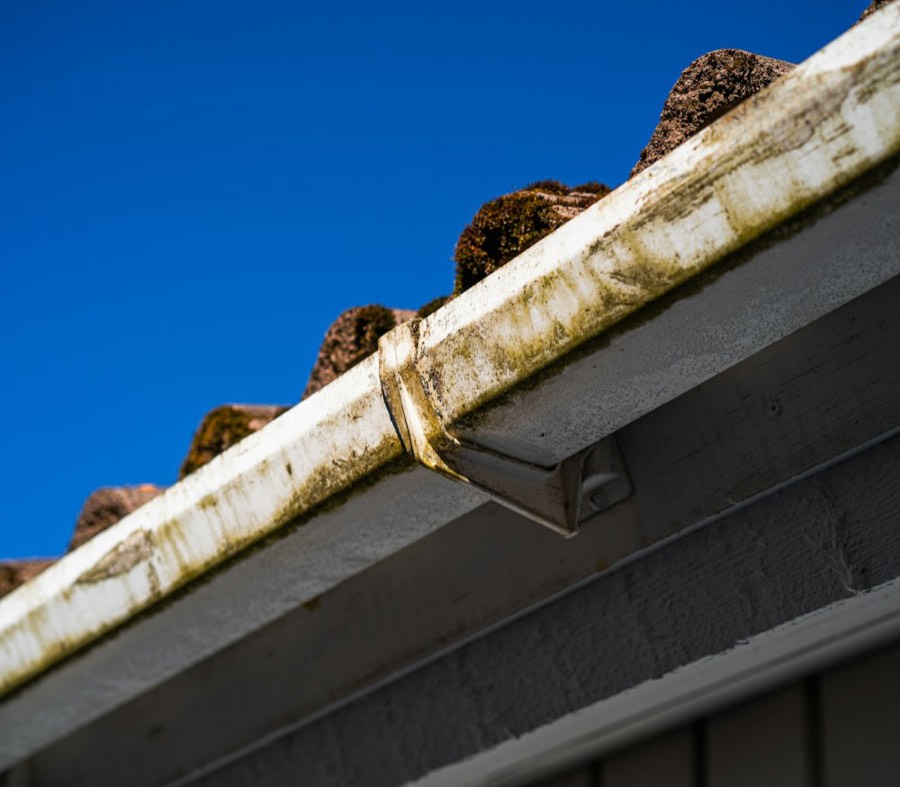
Softwashing uses a low-pressure application of a specialised cleaning solution to kill mould, algae, lichen and moss at the root, then a gentle rinse to remove it. Because there's no high-force water involved, it's the safer choice for anything that could be damaged by pressure.
- Roofs (tile and metal)
- Rendered and painted walls
- Weatherboard and timber cladding
- Fencing and outdoor furniture
Why the wrong choice can cost you
High-pressure water on the wrong surface can strip paint, force water behind render and cladding, etch soft masonry, or damage roof tiles and their protective coatings. On the flip side, softwashing a heavily stained concrete driveway won't shift the ingrained dirt the way pressure will. The result matters as much as the method.
Our approach
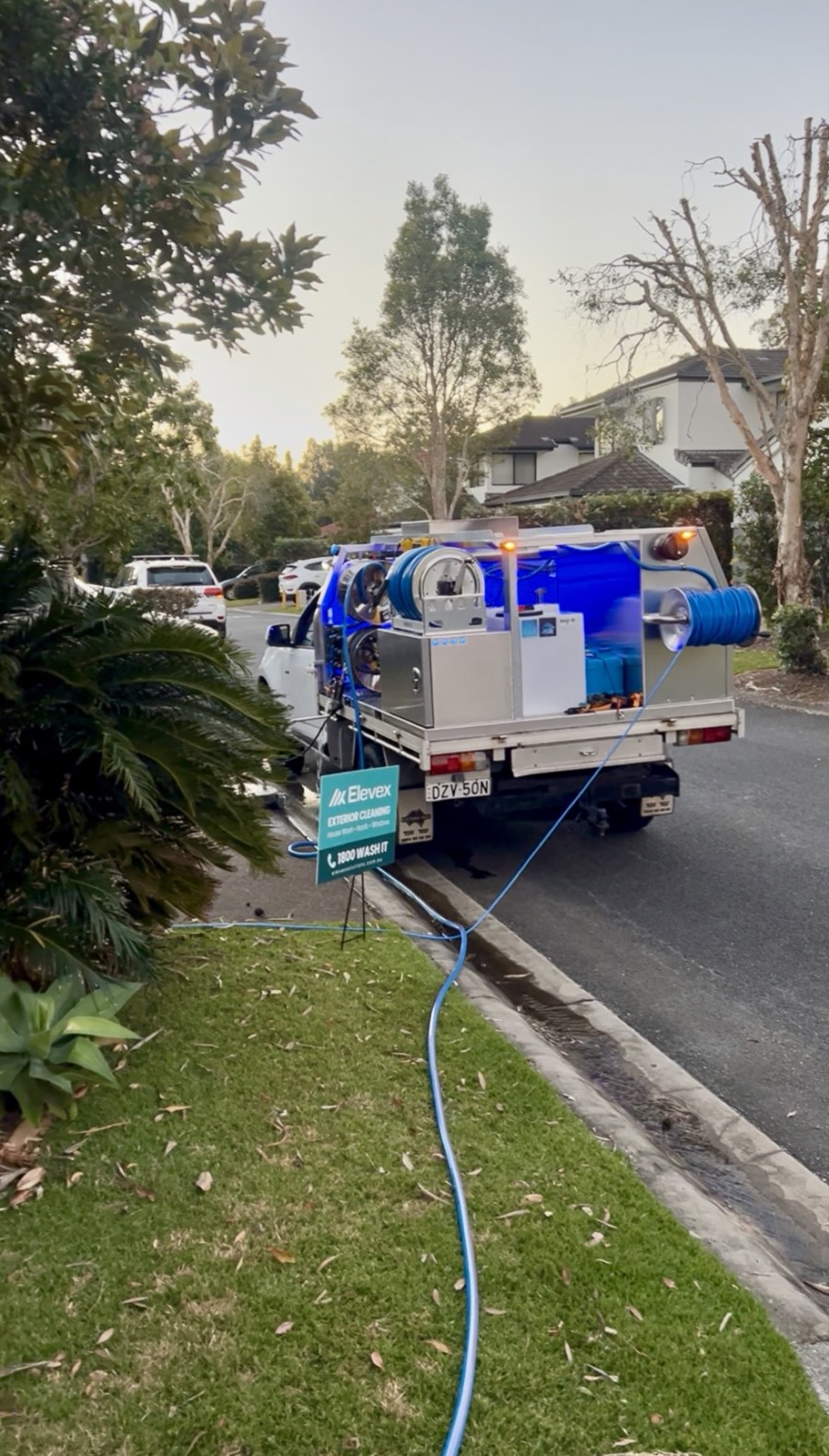
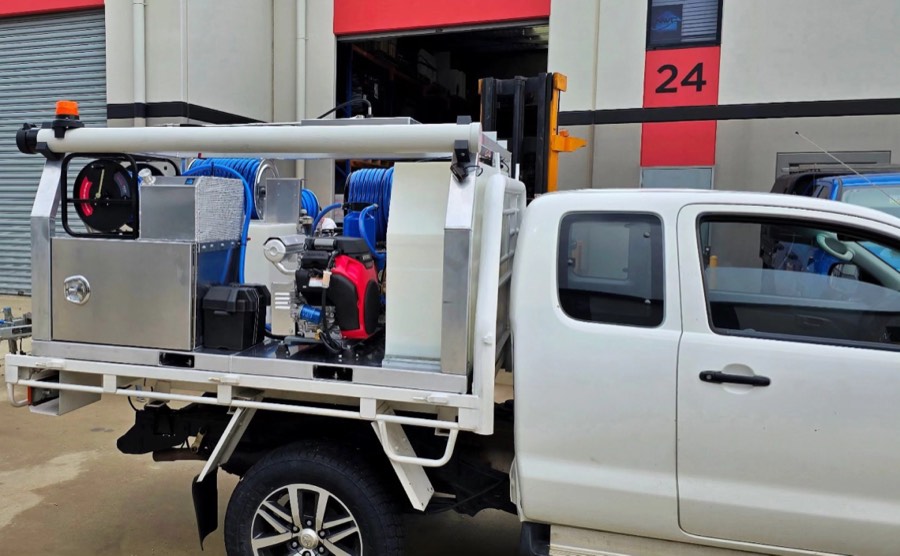
We assess the surface, the type of grime and the condition of the property before recommending a method, and most jobs use a mix of both. A typical house wash, for example, might pressure clean the driveway and pathways while softwashing the render and roof in the same visit.
Not sure which your property needs? Send us a few photos when you request a quote and we'll tell you exactly what we'd recommend, and why.
Need house washing?
Get a clear, itemised quote, usually within one business day.